





Why Build in a Broken World?

Why Build in a Broken World?

Why Build in a Broken World?

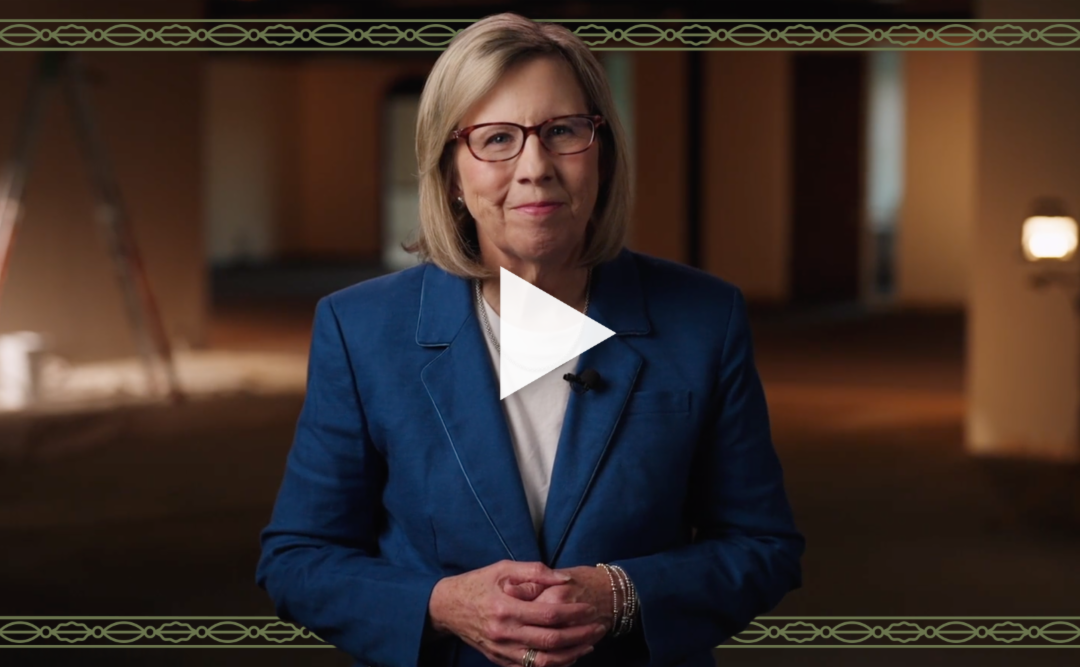
TRANSCRIPT

Growing up, one of my dad’s favorite songs was called This World Is Not My Home, and he would go around the house singing, “This world is not my home. I’m just a-passing through. My treasures are laid up somewhere beyond the blue. The angels beckon me from heaven’s open door, and I can’t feel at home in this world anymore.” 

And more than 20 years after my dad truly went home, I can still hear him singing those words. It was in those early years that I began to learn this world has little to offer, and what it does promise is temporary and elusive. 

But I also remember wrestling with questions like, “How do I reconcile that God created this world and placed me in it with the idea that this is not my home? If this world isn’t my home, what responsibility do I have to other people? What responsibility do I have to this place? If this isn’t my home, then how should I live while I am here?” 

Read More

This year, we’re going to study the firsthand experiences of the Israelites who, because of their sin, found themselves passing through a place that God said was not their home. They went into an actual exile, meaning they were forced to leave the homes they had and start all over in a new country and under a new ruler. They would need to find new places to live and new ways to feed themselves. They were going to be dependent on others. In fact, their entire identity as a nation would be at risk. Exile would be new for God’s people, and God knew that. 

So God sent a message through the prophet Jeremiah to all the people, the elders, the priests, the prophets, and everyone else, telling them how to live while they were in exile. Those instructions are recorded in Jeremiah chapter 29, verses 5 through 9.  

“This is what the Lord Almighty, the God of Israel, says to all those I carried into exile from Jerusalem to Babylon: ‘Build houses and settle down. Plant gardens and eat what they produce.  

Marry and have sons and daughters; find wives for your sons and give your daughters in marriage, so that they too may have sons and daughters. Increase in number there. Do not decrease.  

Also, seek the peace and prosperity of the city to which I have carried you into exile. Pray to the Lord for it, because if it prospers, you too will prosper.’ 

Yes, this is what the Lord Almighty, the God of Israel, says. ‘Do not let the prophets and diviners among you deceive you. Do not listen to the dreams you encourage them to have. They are prophesying lies to you in my name. I have not sent them’, declares the Lord.” 

Wow. Does anything on that list surprise you? Israelite, you are going into exile for your sin and rebellion. I’m sending you to a place that is not your home. 

But while you are there, build your houses. Get married and increase in number. Seek the peace and prosperity of the city in which you are living. 

Pray for the city. Because when it prospers, you also will prosper. In other words, make the cities where you live better because you live there. 

But don’t get caught up in the deception of the city. Don’t be taken in by false prophets and the false dreams they encourage you to have. Don’t get caught up in the way they worship or even begin to embrace the way they think. 

Don’t withdraw from it as if it is completely evil. Instead, establish yourselves and your families and serve your city. Pray for your city and seek the peace and prosperity of the city in which you live. 

God was telling the Israelites, while you are in exile, build your lives. But build with purpose. And this year, we will study men and women who did just that. 

Watch for those who were shining examples of obedience as they settled in and served their cities and prayed for their cities and remained faithful to God even under threat of persecution. Take note to how many Israelites were such a blessing to their city that they were raised up into the highest levels of civil service. Watch how God’s presence remained with them as they remained faithful to Him despite the opposition they faced. 

And pay attention to how God used their obedience to build their lives for His purposes and for the good of His people. This year, through each account, we will see God’s extraordinary presence with them in the face of great opposition and persecution. We will see their lives are not that different from ours.  

God tells them how to live as they enter exile. And when the time comes to return to Israel, those respected Israelites who invested in the peace and prosperity of their cities were granted favor to return to Israel with everything they needed to do God’s work. The Lord gave them everything they needed to do the work they were called to do. 

Aren’t we grateful that any time God moves the heart of His people to do His work, He also supplies everything they need? It’s a powerful lesson to consider. How they lived while they were in exile was going to matter when it was time to go home.  

Here we are in the year 2025, more than two millennium later, and we share some similarities with the Israelite exiles. 

We know this is His world, and this is where He has placed us. But that doesn’t mean it’s our home. This is where we are living for a temporary season. 

Believers in Jesus Christ live as passersby, enjoying the reality of the promises God made through Ezekiel. We have a new heart and a new spirit empowering us in our daily lives. We live now as children of God, waiting for the new heavens and the new earth. 

And God has given us His whole counsel of Scripture to help us know how to build our lives with purpose while we wait.  

And His instructions to us aren’t that different from what He told the Israelites. We also build our houses and make our livelihoods so we can have our daily provision. We are also to increase in number and pray for our cities and seek the peace and prosperity of the cities in which we live.   

And while we wait for the home Jesus is preparing for us, we are to build our lives with purpose now. 

Dare to Live Differently

Dare to Live Differently

Dare to Live Differently

What Exile & Return Teaches About Living for Christ 

Mark Vroegop

BSF Guest Contributor

I’m sure this is not news to you: we are in the midst of a very tumultuous cultural moment.  

How do we live in today’s culture for Christ? How do we avoid a Christianity that is indistinguishable from the culture around us without building a Christianity that walls itself off from the very people we’re called to reach with the gospel? 

My hope is that you will be motivated, encouraged, and challenged by the lives of people like Daniel, Esther, and Ezra, while recognizing that the end goal is not to be like them. Ultimately these stories are not about them. My hope is that you are encouraged to embrace what it means to follow Jesus in our culture and to stand in line with countless men and women in history who dared to live differently because of their passion to honor God.

As you look ahead toward this year’s study, let’s take a closer look at what Daniel teaches us about living differently in today’s culture.  

{

How do we live in today’s culture for Christ?

{

Examining Daniel

God had warned the people of Israel and Judah that if they continued to disobey Him, foreign nations would be sent as the agents of divine discipline. In 722 BC, the Northern Kingdom fell to the invasion of the Assyrians. Subsequently the Southern Kingdom (Judah) was repeatedly warned that they were next if they didn’t repent.  

God raised the Babylonian Empire, the dominant superpower in the Ancient Near East, to become His rod of discipline for Judah. 

{

They set their sights on living as believers in a foreign country, in less-than-ideal circumstances.

{

Daniel and his three friends were part of a systematic Babylonian indoctrination program. They were political prisoners and had been kidnapped from their homeland. They were quite young—likely teenagers. And yet they set their sights on living as believers in a foreign country, in less-than-ideal circumstances. 

They figured out how to follow their God in the midst of a hostile culture. Daniel was a deeply God-centered man and was able to shine in the midst of a life-or-death situation. He dared others to believe with dependent faith.   

What can we learn from the lives of Daniel and other people of faith in the Old Testament? How should we think about our own culture? How do we preserve the uniqueness of the gospel without retreating from our culture?  

1. Dare to believe that God is in control.

The Bible is very clear that God is the one who “changes times and seasons; he deposes kings and raises up others” (Daniel 2:21). In Ezra 1:1 we read that “the LORD moved the heart of Cyrus king of Persia.”

This truth means that you can rest knowing that God controls who owns your company, who moves in next door, who becomes your boss, which employees report to you, and who will be your nation’s next leader. God is never out of control. He is always working. Therefore, Christians ought to be the most calm, faith-filled, and joyful people—regardless of circumstances.  

2. Dare to resolve to live a godly life.

The Bible calls us to be a people who are marked by godliness and good works. Daniel resolved not to stop praying despite the king’s edict. His friends resolved not to bow to the king’s image. Are there any areas of resolve in your life? Or have you just allowed the thinking, the affections, and the way of the culture to shape you? Is there anything unique about your life that would mark you as a follower of Jesus? 

3. Dare to be wise and tactful.

The message of the gospel has often been hindered because God’s people were unwise, foolish, or unprepared for critical moments. Pray that God would give you wisdom to know which battles to fight, where to draw the line, and how to be gracious and kind in what you say and do. From our Exile & Return study, people like Daniel, Zerubbabel, Ezra, Nehemiah, and Esther each show us how God works through combined wisdom and tact in challenging culture. Our culture today needs to see winsome and gracious conviction on the part of God’s people. 

{

Our culture today needs to see winsome and gracious conviction on the part of God’s people.

{

4. Dare to be a person of gospel influence.

Mordecai famously told Esther: “Who knows but that you have come to your royal position for such a time as this?” (Esther 4:14). God providentially placed Esther in a position of influence to rescue His people. Why has God placed you where you are in life? What situations or circumstances do you find yourself in? What seat at the table have you been given? Don’t miss the divinely given opportunity to share the gospel or give wise and biblical counsel. And then pray for favor so that you can continue to have even more influence while keeping your pride in check

5. Dare to be an engaged alien.

The gospel message that Jesus died for our sins is strange to the world. What is amazing grace to us is incredibly strange to them. And yet that should not make us retreat or be silent. Like those from Exile & Return, we, too, are strangers and aliens, and yet we are called to be engaged. Our mission is to go into the world and herald the good news.  

As Peter wrote, “Dear friends, I urge you, as foreigners and exiles, to abstain from sinful desires, which wage war against your soul. Live such good lives among the pagans that, though they accuse you of doing wrong, they may see your good deeds and glorify God on the day he visits us.” (1 Peter 2:11-12)  

Christianity needs more people who are both convictional and wise—people like those you will study this year. We need people like Ezra who know their Bible and have a heart to teach others. We need people like Daniel who are both wise and tactful. We need people like Esther who dare to use their influence for God’s purpose. And we need people like Ezekiel, Haggai, Zechariah, and Malachi who are so captivated by the Lord they are willing to share a strange message in today’s culture instead of retreating from the world around us.  

I hope that through your study, you’ll dare to believe and dare to live differently. 

This article was repurposed from a 2016 sermon from College Park Church.  

About the Author

Mark Vroegop  (BA, Cedarville University; MDiv, Cornerstone Seminary) is the president of The Gospel Coalition. He served in pastoral ministry leadership for nearly 30 years, most recently as the lead pastor of College Park Church in Indianapolis. An award-winning author, Mark has written several books, including Dark Clouds, Deep Mercy: Discovering the Grace of Lament and Waiting Isn’t a Waste: The Surprising Comfort of Trusting God in the Uncertainties of Life. Mark is married to Sarah, and they have three married sons, a college-aged daughter, and two grandchildren. 

Related Articles

Does My Past Define Me?

A Story of Faith and RebuildingFrom the Editorial TeamWhen Aina heard the gospel for the first time, he felt betrayed. At a Christian camp outside his hometown of Antananarivo, Madagascar, he was suddenly confronted with years of buried pain.  “The man who preached...
Exile & Return: Artwork Explained

From the Editorial TeamScattered. Broken. Exiled. God’s people saw their home and temple destroyed, yet God promised to rebuild what sin had ruined. Exile & Return traces their journey through hardship and restoration, showing how every trial was part of His...

Finding God When Life Crumbles

God's Message of Hope in EzekielBSF Guest ContributorHow do you act when life makes no sense? When the things that you depend on have crumbled? Where do you look? What do you think?  Maybe you lost the job that you thought you would have forever. Maybe the unthinkable...

You Shared The Gospel! Now What?

three questions to move your gospel conversation forwardFrom the Editorial TeamYou’ve just shared the gospel with a friend. Your voice was shaky, and your heart is still pounding, but you did it! God gave you courage and words to share the beautiful truth that Jesus...

BUILD WITH PURPOSE

Join BSF’s next study Exile & Return: A Time to Build
Submit a Comment
Our BSF staff approves each comment to maintain privacy and security. It may take 24-48 hours for your comment to be posted. Be sure to check back for replies from the author or other BSF members!

Is My Ordinary Faith Enough?

Is My Ordinary Faith Enough?

Is My Ordinary Faith Enough?

Finding Courage through Exile & Return  

Bennett Rolan

BSF Communications Manager

Daniel in the lion’s den. Ezra leading a nation. Nehemiah’s men with a sword in one hand while building with the other.

Extraordinary moments. Unforgettable courage.  

We love studying the heroes of our faith. We marvel at how they stood firm for God in the face of overwhelming opposition. But deep down, we wonder: Would I do the same? For those of us walking through seemingly ordinary days, is our faith enough?  

This year’s study will reveal a powerful truth: The courage we admire wasn’t forged in dramatic moments but shaped through daily faithfulness. 

{

The courage we admire wasn’t forged in dramatic moments but shaped through daily faithfulness.

{

For those seeking purpose for a seemingly “ordinary” life, this year’s study, Exile & Return, is for you. For those who are overwhelmed by life’s challenges, God can use Exile & Return to strengthen your courage. For the moments we are called to step out in faith to share the gospel, the eight books of the Bible featured in Exile & Return can reinforce our resolve. And for those called to lead God’s people, the lessons we will learn this year will show you the way.   

Because Exile & Return isn’t really about the heroes of our faith. It’s about our extraordinary God who calls and equips ordinary people.  

So how can we build upon our faith today like Ezra, Esther, or Daniel? Consider these three takeaways.  

Determine what defines you.

In Ezra 7, we’re introduced to a man who played a key role in leading God’s people back to Jerusalem to renew their devotion to God. Through his wisdom and teaching, Ezra inspired an entire generation to devote themselves wholeheartedly to the Lord. Scripture could have introduced Ezra with a list of achievements and accomplishments. Instead, Ezra 7:10 highlights this defining trait:  

“For Ezra had devoted himself to the study and observance of the Law of the Lord, and to teaching its decrees and laws in Israel.”  

The word translated as “devoted in this verse can also mean “set his heart toward. When we consider this deeper meaning, we see that Ezra wasn’t just interested in knowing Scripture—he was determined to know the God behind it.  

{

This year, “Exile & Return” will challenge us to ask, “What have I set my heart toward?”

{

Ezra’s daily devotion to Scripture shaped his character as he faithfully pursued God in the quiet rhythms of everyday life. And when the time came to lead, he stood with confidence—not in himself, but in the God he knew.   

This year, Exile & Return will challenge us to ask, “What have I set my heart toward?” We can faithfully pray for God to use our daily study, weekly discussion, and lecture to change us, equip us, and build our faith. In a world consumed by accomplishments and achievements, Exile & Return can give us the courage to live a life defined by Christ.  

Take your prayer life further.  

When we meet Daniel, Scripture describes him as “without any physical defect, handsome, showing aptitude for every kind of learning, well informed, quick to understand, and qualified to serve in the king’s palace” (Daniel 1:4).  

Daniel was gifted in every way—intelligent, capable, and respected. But his true strength didn’t come from his abilities. It came from his trust in God. Living in a foreign culture, overwhelmed by competing influences, Daniel sought God’s wisdom through prayer.  

In Daniel 2, when faced with an impossible situation, Daniel asked his friends to join him in pleading “for mercy from the God of heaven” (2:18). And when God answered, Daniel didn’t rush forward into action. He paused once again to pray.  

In Daniel 6, when continued prayer meant facing the lion’s den, the Bible tells us, “Three times a day he got down on his knees and prayed, giving thanks to his God, just as he had done before” (6:10b).  

Prayer wasn’t simply a ritual for Daniel; it was a lifeline.  

In Daniel 9, we get a firsthand account of why and how Daniel prayed. In verse 2 we learn that Daniel “understood from the Scriptures.” Daniel took God at His Word and responded in prayer.  

{

Prayer wasn’t simply a ritual for Daniel; it was a lifeline.

{

As God’s Word stirred his mind and his heart, Daniel recalled God’s character. He confessed sin and pled for mercy—not based on his own righteousness but on God’s:

“We do not make requests of you because we are righteous, but because of your great mercy. Lord, listen! Lord, forgive! Lord, hear and act! For your sake, my God, do not delay, because your city and your people bear your Name” (Daniel 9:18b–19).  

Daniel held nothing back. He laid his sin and shame before the Lord, fully confident that God would hear and respond. His prayer was bold because his trust in God was complete. Daniel didn’t find courage in his intellect or his position; he depended on God and sought Him in prayer.  

As God reveals unexpected facets of His character and promises this year, how might we take our prayer life further? When Bible study inspires us to pray, God builds our faith and moves in ways we never could have imagined.  

Place ordinary faith in our extraordinary God.  

Through Exile & Return, we will walk alongside faithful followers, including Ezekiel, Ezra, and Daniel. 

Like us, they were human. Like us, they were flawed. They faced fear, uncertainty, and opposition. Yet day by day, they built lives on the foundation of God’s Word and depended on Him in prayer.

For He alone can shut the mouths of lions, change the hearts of kings, restore what was broken, and replant what was destroyed.

Exile & Return will remind us that when God builds our faith, it is never simply ‘ordinary.’ We too can trust our extraordinary God for courage in everyday life and in challenging times. As we set our hearts on His Word, let us pray that this BSF study year will not just be “a time to build” but our time to build.

About the Author

Bennett Rolan joined the BSF staff in 2017 after working for several publications, Christian ministries, and nonprofits. She loves to combine her passion for God’s Word and her journalism and history background to share stories of God’s work in and through BSF. As a wife to a busy college football coach and a mom to four young children, BSF studies keep her relationship with the Lord grounded and focused. She loves to learn from fellow believers as God faithfully grows her each day.

Related Articles

Does My Past Define Me?

A Story of Faith and RebuildingFrom the Editorial TeamWhen Aina heard the gospel for the first time, he felt betrayed. At a Christian camp outside his hometown of Antananarivo, Madagascar, he was suddenly confronted with years of buried pain.  “The man who preached...

Exile & Return: Artwork Explained

From the Editorial TeamScattered. Broken. Exiled. God’s people saw their home and temple destroyed, yet God promised to rebuild what sin had ruined. Exile & Return traces their journey through hardship and restoration, showing how every trial was part of His...

Finding God When Life Crumbles

God's Message of Hope in EzekielBSF Guest ContributorHow do you act when life makes no sense? When the things that you depend on have crumbled? Where do you look? What do you think?  Maybe you lost the job that you thought you would have forever. Maybe the unthinkable...

You Shared The Gospel! Now What?

three questions to move your gospel conversation forwardFrom the Editorial TeamYou’ve just shared the gospel with a friend. Your voice was shaky, and your heart is still pounding, but you did it! God gave you courage and words to share the beautiful truth that Jesus...

BUILD WITH PURPOSE

Join BSF’s next study Exile & Return: A Time to Build
Submit a Comment
Our BSF staff approves each comment to maintain privacy and security. It may take 24-48 hours for your comment to be posted. Be sure to check back for replies from the author or other BSF members!

Sharing the Gospel: The Basics

Sharing the Gospel: The Basics

Sharing the Gospel: The Basics

truths to remember for sharing the gospel

BSF Staff

From the Editorial Team

Sharing the gospel can be intimidating. What should we say? How should we say it? 

Throughout Christian history, evangelists have unlocked time-tested techniques for sharing the gospel. Whether you decide to share your personal story, draw a diagram, or read directly from the Bible – remember these three truths. 

The Truth About God 

At the center of every human heart is a longing to be known and accepted. Nothing apart from the truth about God can answer our questions or meet our needs. We are designed and created by God. In His wisdom, mercy, and grace the perfect Creator chose to love imperfect people. We depend on God for all that we have and all that we are. When we ask life’s big questions we arrive at a powerful truth – we discover the truth about God.  

The God who made the world and everything in it is the Lord of heaven and earth… he is not served by human hands, as if he needed anything. Rather, he himself gives everyone life and breath and everything else.” (Acts 17:24-25) 

See also Genesis 1:1, Psalm 139:7-12, Matthew 4:10, John 3:35-36

The Truth About Sin 

The evidence of sin is all around us. Despair, devastation, suffering, and pain are daily reminders that the world is broken. All people have fallen short of living the way God intended us to live. We do wrong things or let good things go undone. Since our sin separates us from God, we need to be reconciled to Him. Even non-Christians will admit that the world is far from perfect – this leads to the clear and compelling truth about sin.  

“The true light that gives light to everyone was coming into the world. He was in the world, and though the world was made through him, the world did not recognize him. He came to that which was his own, but his own did not receive him.” (John 1:9-11) 

See also Isaiah 59:1-2, Psalm 32:1-5, John 3:19-21, Romans 3:23. 

The Truth About Jesus Christ  

God created a perfect world, and sin broke God’s creation. We rest our hope in the Creator’s perfect plan to restore what sin destroyed.   

Jesus Christ provides the only way to be reconciled to God. God sent His only Son, Jesus Christ, to take our punishment for sin and die on the cross. Three days later, Jesus rose again, conquering sin and death. Jesus returned to the Father’s side and continues to rule at His right hand today. Before ascending to His heavenly throne, Jesus promised to come again and restore all of God’s creation.  

“[Christ] has appeared once for all at the culmination of the ages to do away with sin by the sacrifice of himself. Just as people are destined to die once, and after that to face judgment, so Christ was sacrificed once to take away the sins of many; and he will appear a second time, not to bear sin, but to bring salvation to those who are waiting for him.” (Hebrews 9:26-28) 

See also John 11:25, Acts 2:24, Ephesians 1:20-21, Colossians 1:19, Hebrews 1:3. 

The truth about God as Creator leads us to mourn the truth about sin’s destruction. Left alone, we remain eternally hopeless. But the truth about Jesus’s victory over sin and death answer life’s big questions and our deepest longing to be known and loved.   

Not sure how to end your gospel conversation? Consider extending an invitation to learn more about God by joining BSF. To learn more about evangelism, ask your BSF Group Leader about BSF’s annual Sharing the Gospel seminar.

About Us

At Bible Study Fellowship, we believe people discover their true purpose and identity by knowing God through His Word. That is why BSF offers free, in-depth Bible studies in community for people of all ages around the world. To learn more about Bible Study Fellowship, visit bsfinternational.org

Ready to study God’s Word in community? Find a group that works for you at joinbsf.com

Related Articles

Does My Past Define Me?

A Story of Faith and RebuildingFrom the Editorial TeamWhen Aina heard the gospel for the first time, he felt betrayed. At a Christian camp outside his hometown of Antananarivo, Madagascar, he was suddenly confronted with years of buried pain.  “The man who preached...

Exile & Return: Artwork Explained

From the Editorial TeamScattered. Broken. Exiled. God’s people saw their home and temple destroyed, yet God promised to rebuild what sin had ruined. Exile & Return traces their journey through hardship and restoration, showing how every trial was part of His...

Finding God When Life Crumbles

God's Message of Hope in EzekielBSF Guest ContributorHow do you act when life makes no sense? When the things that you depend on have crumbled? Where do you look? What do you think?  Maybe you lost the job that you thought you would have forever. Maybe the unthinkable...

You Shared The Gospel! Now What?

three questions to move your gospel conversation forwardFrom the Editorial TeamYou’ve just shared the gospel with a friend. Your voice was shaky, and your heart is still pounding, but you did it! God gave you courage and words to share the beautiful truth that Jesus...

Want to study with BSF?

Join a Group Today!

Submit a Comment

Our BSF staff approves each comment to maintain privacy and security. It may take 24-48 hours for your comment to be posted. Be sure to check back for replies from the author or other BSF members!

How the Old Testament Speaks Today

How the Old Testament Speaks Today

How the Old Testament Speaks Today

3 Reasons to Study BSF’s Exile & Return

Bryan Belknap

BSF Media Director

Back when I still had a full head of hair, I wrote skits for youth ministry. One of my favorites was called It’s Malachi! In it, the character Kevin—a recently departed snowboarder—arrived in heaven to be greeted by none other than the Old Testament prophet Malachi. During Kevin’s heavenly “orientation,” Malachi eagerly asked him questions about the book bearing his unforgettable name: What did he think of it? Did he have a favorite part? 

As their conversation unfolded, it became clear that Kevin had never actually read the book of Malachi. With a touch of disappointment, the prophet asked, “So you devoted your life to God, followed His Son, and didn’t even read the whole book?” Caught off guard, Kevin could only respond, half-jokingly, “Can you plead the Fifth up here?” 

Soon, Bible Study Fellowship will begin a new study, Exile & Return, featuring eight Old Testament books of history and prophecy that cover Israel’s exile in Babylon and their eventual return to the promised land. While you have probably read Daniel, Esther, and (at least parts of) Ezekiel, I would be greatly impressed if you can quote passages from Haggai, Ezra, or our good buddy Malachi. (I sure can’t.) 

{

These books speak to people who feel displaced, weary, or like they’re waiting for something more.

{

So, beyond the obvious personal blessing that comes from reading every page of God’s inspired Word, why should someone living in the 21st century read a bunch of books written approximately 2,500 years ago? 

Glad you asked! Exile & Return isn’t just an Old Testament history lesson. These books speak to people who feel displaced, weary, or like they’re waiting for something more (which sounds like my experience today). Walking through these often-ignored pages will uncover the ache of living in a world that is not our home while continually pointing toward our hope of Jesus’s return. Surprisingly, this study reveals the unwavering heart of our Savior, who meets us in every chapter of our lives. 

Here are three reasons you’ll love Exile & Return.


1. Exile & Return is written for exiles.

Did you realize that believers live like exiles right at this very moment? While far too many people around the world currently live in physical exile from their homeland, every follower of Jesus Christ awaits their true homeland with God in His kingdom. While Revelation: The Hope addressed this, we must still find a way to live for God’s glory in our present “exiled” circumstances. That is exactly where Ezekiel, Daniel, Esther, and Malachi found themselves. Even in exile, living far from their true home as strangers in a strange land, God did not call His people to hide. Instead, He instructed them to plant gardens, build homes and hold weddings (Jeremiah 29:5-7).  

What does this mean for us today? As we struggle with life far from our heavenly home, 1 Peter 2:11-12 reminds us of our mission, “Dear friends, I urge you, as foreigners and exiles, to abstain from sinful desires, which wage war against your soul. Live such good lives among the pagans that, though they accuse you of doing wrong, they may see your good deeds and glorify God on the day He visits us.” 

That said, how do we “live such good lives…that they may see your good deeds and glorify God”? Exile & Return provides practical answers. 


2. Exile & Return addresses deeply relatable situations. 

Despite being written more than two millennia ago, the books in this study speak directly to our life circumstances today. We could all benefit from practical lessons on: 

  • God using people in the midst of their sin (Ezekiel) 
  • God’s complete sovereignty over nations and leaders (Daniel) 
  • God’s faithfulness to always keep His word (Ezra) 
  • Using influence and position to stand apart for God’s glory (Esther) 
  • Prioritizing God over personal comfort (Haggai) 
  • God restoring repentant sinners through the redeeming work of Israel’s Messiah (Zechariah) 
  • Godly leadership principles (Nehemiah) 
  • Standing firm against moral corruption (Malachi)

And these are only a few of the themes Exile & Return will explore. Through BSF’s study, we will learn to place each book within its historical context, while also discovering personal applications that speak to our practical, often desperate needs for godly guidance today. 

3. Exile & Return features Scripture Jesus loved.   

People love picturing Jesus as the good shepherd. But did you know the “shepherd” reference to the Messiah first appeared in Ezekiel 34?  

Jesus loved to quote Old Testament Scripture. In fact, in the Sermon on the Mount, Jesus declared, “Do not think that I have come to abolish the Law or the Prophets; I have not come to abolish them but to fulfill them (Matthew 5:17).” 

That means one of Jesus’ goals in coming to earth was to fulfill everything written in Scripture, including the eight books we will explore. His life, teachings, and mission are inextricably linked to and interwoven within the Old Testament. Anyone wanting to gain a complete picture of our Lord and Savior should absolutely study these amazing books.  

{

All Scripture is divinely inspired to speak truth to all peoples in all times.

{

In the words of theologian Dr. Carl Laney, BSF’s Exile & Return study will “focus on Jesus, Israel’s Messiah-King, and how His life and ministry are anticipated in Scripture.” 

Seeing how the books I often overlook in my study of the Bible strengthen my faith in and appreciation of Jesus has been a blessed shock. To find these books also provide insightful and actionable guidance as situations unfold in my daily life has been nothing short of miraculous, proving once again that all Scriptureeven the most “obscure” verseis divinely inspired to speak truth to all peoples in all times. 

That’s something we all need more of in our lives today.  

(Knowing I can meet Malachi some day and confidently talk about his book is a nice bonus.) 

About the Author

Bryan Belknap serves as Director of Media Production at BSF. Prior to joining BSF, Bryan was an award-winning screenwriter, producer and director working for companies as far-ranging as Group Publishing, LIONSGATE, Lifeway, SONY, and DreamWorks. Bryan, a second generation BSFer, and his wife Jill are both proudly watching their son continue the BSF tradition.

Related Articles

Does My Past Define Me?

A Story of Faith and RebuildingFrom the Editorial TeamWhen Aina heard the gospel for the first time, he felt betrayed. At a Christian camp outside his hometown of Antananarivo, Madagascar, he was suddenly confronted with years of buried pain.  “The man who preached...

Exile & Return: Artwork Explained

From the Editorial TeamScattered. Broken. Exiled. God’s people saw their home and temple destroyed, yet God promised to rebuild what sin had ruined. Exile & Return traces their journey through hardship and restoration, showing how every trial was part of His...

Finding God When Life Crumbles

God's Message of Hope in EzekielBSF Guest ContributorHow do you act when life makes no sense? When the things that you depend on have crumbled? Where do you look? What do you think?  Maybe you lost the job that you thought you would have forever. Maybe the unthinkable...

You Shared The Gospel! Now What?

three questions to move your gospel conversation forwardFrom the Editorial TeamYou’ve just shared the gospel with a friend. Your voice was shaky, and your heart is still pounding, but you did it! God gave you courage and words to share the beautiful truth that Jesus...

BUILD WITH PURPOSE

Join BSF’s next study Exile & Return: A Time to Build

Submit a Comment
Our BSF staff approves each comment to maintain privacy and security. It may take 24-48 hours for your comment to be posted. Be sure to check back for replies from the author or other BSF members!


© 2021 Bible Study Fellowship


© 2024 Bible Study Fellowship

5 Tips for Better Group Conversations

5 Tips for Better Group Conversations

5 Tips for Better Group Conversations

Encouraging deep and meaningful Bible study discussions

In a small group Bible study, the goal is always to create a healthy, secure space where open and honest conversations flow and everyone feels equally free to contribute. Some groups find their groove from the word “go,” while others move at a slower pace. 

Whether it feels natural or takes intentional time, studying the Bible in a group is helpful for proper Scripture interpretation and long-term spiritual growth. For “as iron sharpens iron, so one person sharpens another” (Proverbs 27:17).  

The following five tips will help you encourage deep, free-flowing conversation in your groups:

1. Remove distractions

Focusing after a long day of work, parenting, or other life circumstances can be difficult. If we want to put worries aside to be present in our groups, we have to be intentional. What specific behaviors or habits could you use to shift your focus before sitting down with your group?

One method is to get out a piece of paper and write down everything on your mind. Write down anxieties, distractions, expectations of the evening, plans for tomorrow, and anything else consuming your thoughts. Getting our mind-clutter out and onto the page frees us to focus on one another.

Remember Paul’s advice in Philippians to “not be anxious about anything” but to turn to prayer. As a result, “the peace of God, which transcends all understanding, will guard your hearts and your minds in Christ Jesus” (Philippians 4:6-7). 

{

If we want to put worries aside to be present in our groups, we have to be intentional.

{
2. Be vulnerable

Commit to being open with your group. If you choose to be vulnerable, it will lead others to do the same! Your group and discussion will be better for it. 

While it can be scary to let yourself show weakness or not have all the answers, you are called to true community. That means showing the real you and your real life. Share your true prayer requests and answers to questions, not just what you think is acceptable or will make others think well of you. 

James tells us, “Confess your sins to each other and pray for each other so that you may be healed” (James 5:16).

{

If you choose to be vulnerable, it will leads others to do the same!

{
3. Build community

The first step to building community in your group is showing up! Make sure that your group is a priority in your life. As much as you are able, show up to every group meeting.  

However, showing intentional care and interest in other group members should extend beyond your weekly meeting. Could you follow up with a member on a prayer request they shared during your discussion? Is there a need you could meet for them? Would you extend an invitation to get to know someone personally outside of your group?  

Hebrews reminds us, “Let us consider how we may spur one another on toward love and good deeds, not giving up meeting together, as some are in the habit of doing, but encouraging one another” (Hebrews 10:24-25).

{

Showing intentional care and interest in other group members should extend beyond your weekly meeting.

{

4. Stay on topic

During your group discussion, it is best to stay focused on the passage and follow the guidance of your group leader. 

While it’s always great to share your perspective and life with the group, it may be best to hold back from giving your review of a recent movie, bringing up a divisive political topic, or telling a long story about a recent vacation during your discussion time. 

Before you speak, think, “Is this relevant to the group discussion? Am I talking to draw attention to myself or to share for the good of the group?” 

5. Grow together

Just as there is always room to grow in God’s Word, there is room for everyone to grow in group Bible study. If you commit as a group to growth, you will all be able to look back and see how far you’ve come by the end of your time together.

Summary

Related Articles

Does My Past Define Me?

A Story of Faith and RebuildingFrom the Editorial TeamWhen Aina heard the gospel for the first time, he felt betrayed. At a Christian camp outside his hometown of Antananarivo, Madagascar, he was suddenly confronted with years of buried pain.  “The man who preached...

Exile & Return: Artwork Explained

From the Editorial TeamScattered. Broken. Exiled. God’s people saw their home and temple destroyed, yet God promised to rebuild what sin had ruined. Exile & Return traces their journey through hardship and restoration, showing how every trial was part of His...

Finding God When Life Crumbles

God's Message of Hope in EzekielBSF Guest ContributorHow do you act when life makes no sense? When the things that you depend on have crumbled? Where do you look? What do you think?  Maybe you lost the job that you thought you would have forever. Maybe the unthinkable...

You Shared The Gospel! Now What?

three questions to move your gospel conversation forwardFrom the Editorial TeamYou’ve just shared the gospel with a friend. Your voice was shaky, and your heart is still pounding, but you did it! God gave you courage and words to share the beautiful truth that Jesus...

Submit a Comment

Our BSF staff approves each comment to maintain privacy and security. It may take 24-48 hours for your comment to be posted. Be sure to check back for replies from the author or other BSF members!

Pin It on Pinterest