







Striving for Unity, in the Name of Christ

Striving for Unity, in the Name of Christ

Striving for Unity, in the Name of Christ 

By Susie Rowan — Former BSF Executive Director

“After this I looked, and there before me was a great multitude that no one could count, from every nation, tribe, people and language, standing before the throne and before the Lamb. They were wearing white robes and were holding palm branches in their hands. And they cried out in a loud voice: “Salvation belongs to our God, who sits on the throne, and to the Lamb.” – Revelation 7:9–10

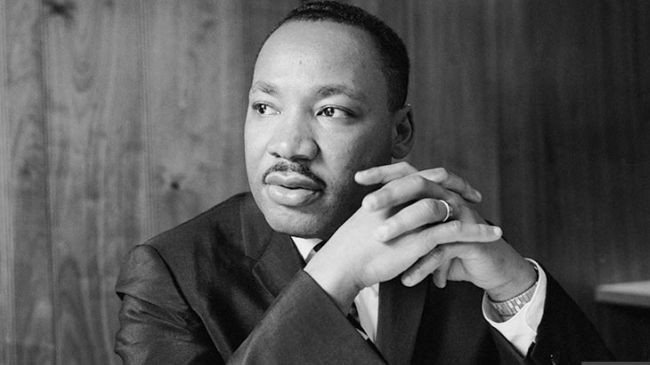
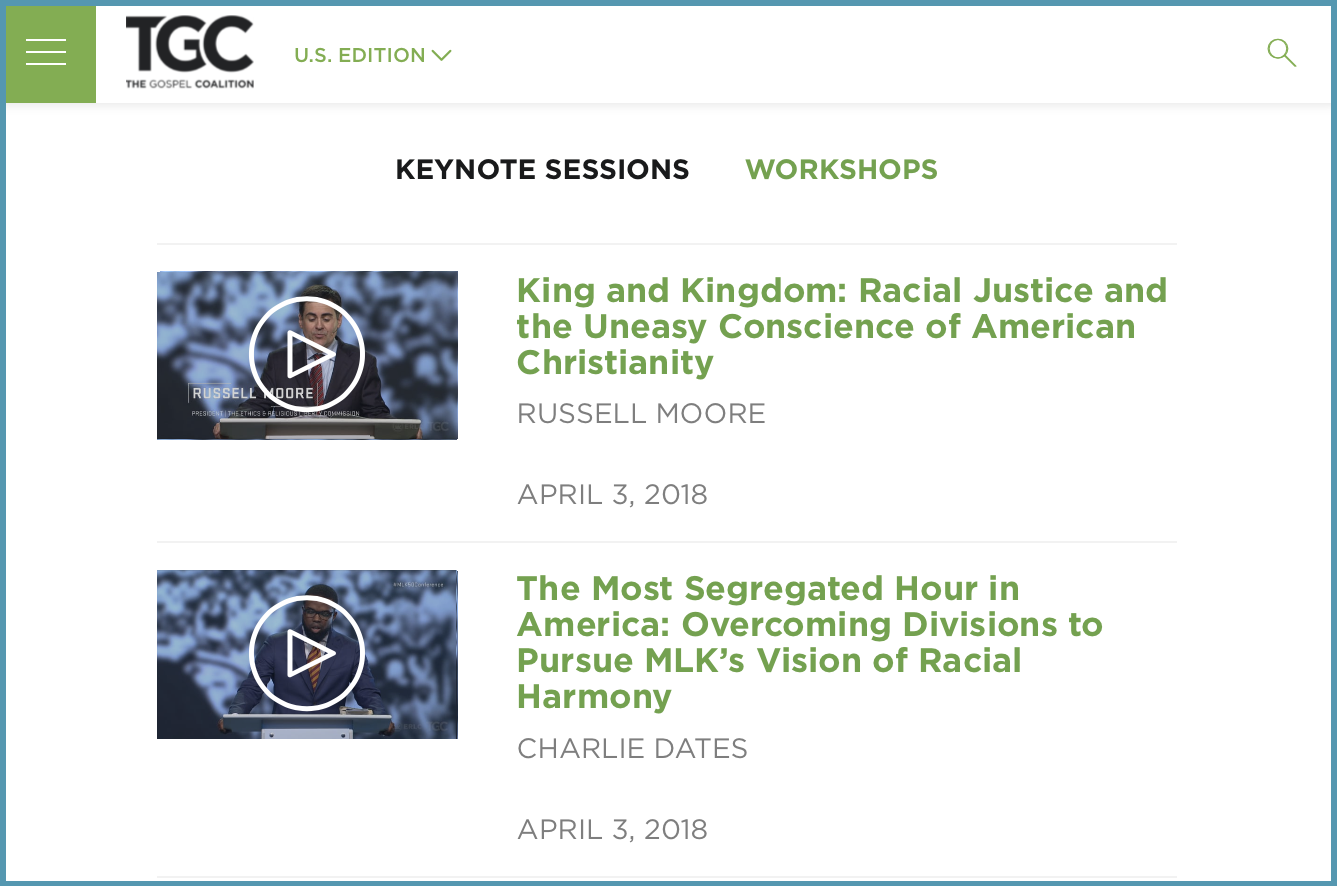
If this is our future, what should “now” look like? As Christians, we desire “Your kingdom come, your will be done, on earth as it is in heaven.” That’s why I was captivated and challenged as I watched the talks at this month’s MLK50 Conference in Memphis, which marked the 50th anniversary of the assassination of civil rights champion the Rev. Martin Luther King, Jr.

The history of racial discrimination in the United States is tragic, and unfortunately, discrimination continues to be a universal issue. People of all nations have a sin problem that leads to division and discrimination, whether by tribe or caste, ethnicity or other classifications.

As Christians who are destined to worship together in unified diversity, what can we do today to see this eternal Kingdom reflected in our earthly experience, including our BSF classes?

Would you consider this question prayerfully and watch these videos from the MLK50 Conference?

As you view these videos, consider these words from theologian John Piper:

“The reason God decreed that the gospel would obtain people from every tribe and people and nation is that the aim of the gospel is the glorification of his grace and this ingathering of diverse peoples into one Christ-exalting, unified people who would glorify the power and beauty of his grace more than if he had done things another way. There is a strong confirmation of this in noticing that several texts which command the pursuit of all ethnic groups are explicit that this pursuit is for the glory of Christ.”

Bloodlines: Race, Cross, and the Christian, (Wheaton: Crossway, 2011), 194–5

Would you pray along with me for gospel-unified diversity in our BSF classes? And would you give us your thoughts by writing blog comments after you have watched these videos?

Ronnie Jackson, BSF Assistant Controller, attended this conference prompting many honest and heart-wrenching conversations. She shared how God worked in her own heart during the conference, and I wanted to share an excerpt of her experience with you.

Further Reflection

By Ronnie Jackson — Former BSF International Controller

6:01 PM. …

The bell rang at the Lorraine Hotel on April 4, 2018. The massive crowd of many tongues, tribes and nations hushed in unity to an eerie silence. In that moment, the sun seemed to shine brighter than it had all week! My heart raced as tears fell while we respectfully observed the 50th anniversary of our brother, an American prophet, Rev. Dr. Martin Luther King, Jr.’s assassination.

The tears fell because I realized that my allegiance is with Christ, not this world. I cried because while racial unity is still unreconciled, God showed me that I get to be a part of the solution. God caused my heart to “awaken” (as He did for Moses using the burning bush) from its slumber. I sat humbled and convicted yet I yearned to learn more as He stirred my desire to pursue genuine unity.

BUT GOD…

Dear brothers and sisters in Christ, I join Susie and ask you to please listen to these biblically grounded messages and pray for how God will stir your heart as you consider what it means to put gospel diversity into action.

With humility and sisterly love,

Ronnie. 

Operation Jesus: Pain, Recovery and an Opportunity to Share

Operation Jesus: Pain, Recovery and an Opportunity to Share

Operation Jesus: Pain, Recovery and an Opprotunity to Share

By Bennet Roland – BSF Editorial Manager

Anthony Tan’s stretcher rolled toward the operating room, his thoughts focused on one name … “Jesus.”

In December, Anthony underwent knee replacement surgery in a Singapore hospital, where he was discharged a few days later on Christmas afternoon.

While monitors beeped and nurses prepped him for surgery, Anthony experienced a quiet moment with the Lord.

“Waiting in the operating theater allowed me time to think.

“When I arrived at the pre-surgery check in, I was surprised to be told that I was not allowed to bring anything into the operating theater. Absolutely nothing. Not even my spectacles or dentures, if I had any.

“I was covered by only the operating gown, with no pockets, and strapped with a bar code and digital tracking device on my wrist, which bears my identity.

“ ‘Would it be just like this when I meet my God?’ I wondered.

“I must leave behind all my earthly identity (passport, nationality, race, social security card), all my assets (money, credit cards, houses, cars), relationships (my family, friends) and earthly accolades (awards, recognitions, honors).

“I am comforted by the assurance that I will be recognized before God without the GPS tracking device and bar code identification. The pocketless operating gown will be replaced by the righteousness of Jesus Christ, as promised in Isaiah 61:10.

“Won’t that be cool?”

After surgery, Anthony spent several days recovering in the orthopedic ward, next to a young man who experienced a similar operation.

“My neighboring bed was occupied by a young Muslim man with a knee injury, which resulted through playing too much soccer. United through common pain, surgery, immobility and proximity in the ward, we became friends.”

With his thoughts fixed on Jesus, Anthony saw this young man in light of eternity.

“Through our conversations, I took the opportunity to share with him the truth behind Christmas, which has been so commercialized and misrepresented in Singapore today, and the real story of Jesus Christ. He was a very attentive captive audience, and it is my prayer that the seed planted will take root. He was also very impressed by the warmth and friendliness of my family towards him.”

What can we learn about the gospel from Anthony’s story?

When we quiet our thoughts before the Lord, He often fills the stillness with a glimpse of His character. During Anthony’s pre-op moment, God replaced fear with a renewed longing for eternity.

Through this perspective, Anthony’s physical pain became a platform for the gospel.

We might not be sitting in a hospital room, but we can relate to those around us through the common pain of living in a fallen world. We can understand relationships broken through sin and anxiety for the future.

We’ve seen sorrow and felt the devastating effects of hardship. And as believers, we can offer the only true hope.

At one point, someone shared the healing power of the gospel with us. Now we, too, have the wonderful privilege of telling others about “garments of salvation” and “the robe of righteousness.” (Isaiah 61:10)

The fabric of earthly identity will wear and tear, but robes dipped in the blood of Jesus are woven to last forever.

Romans 10:15 tells us, “And how can anyone preach unless they are sent? As it is written: ‘How beautiful are the feet of those who bring the good news!’ ”

So whether we wear dress shoes to work, sandals to the market or roll into a recovery room on a gurney, let’s pray for eyes to see those around us in light of eternity.

How could finding common ground with someone lead to a conversation about the gospel – the good news of Jesus Christ?

Anthony Tan

Anthony Tan is a member of BSF’s Board of Directors, businessman in Singapore and proud owner of a new knee. His wife, Shirley, is a former long-time BSF area advisor.


Great Expectations? The challenge of cultural engagement

Great Expectations? The challenge of cultural engagement

Great Expectations? The challenge of cultural engagement 

By Dr. Darrell L. Bock – Dallas Theological Seminary 

Christians discussing cultural engagement often do so with a wide range of expectations. For some, it is fear that comes with the prospect; for others it involves a challenge; for still others there is an expectation of triumph. Does the Bible hold great expectations for us as we engage culture? Are we to major in the results or in the call?

We face great challenges in cultural engagement. Our world is becoming both bigger and smaller simultaneously. There are more people all the time, reflecting an array of cultures, religions and worldviews. Yet we also are more tightly connected by technology and by global movement, so our neighbors are becoming reflective of the diverse world in which we live, and our children are more aware of those varieties and differences than my generation was growing up. That is what makes engagement a challenge. It also can engender a fearful hesitation, because we instinctively sense that we know so little about the kaleidoscope of perspectives we might encounter. Am I prepared for that? Others, almost oblivious, just head in bravely expecting God to work, knowing we have the truth.

But how did the earliest disciples see engagement? 

They also saw it as a challenge, one that required preparation. Jesus literally spent the entire second half of his earthly ministry preparing the disciples for what they would face after his death. His words hardly pictured a cake walk. He talked about the fact the world would reject them as it did him (John 15:18–19). He said they would be lambs among wolves (Luke 10:3). These words hardly give comfort that engagement will meet with open arms and a series of easily achieved victories. The point is important because often the church complains about how the world reacts to them, but for Scripture it is no surprise and something believers should be prepared to face, just as Jesus’ earliest disciples were prepared to face it.

1 Peter is a great book, much of which covers engagement, written by one who sat at Jesus’ feet and took the engagement class Jesus held as he prepared the disciples to go out into the world. One of my favorite engagement passages is 1 Peter 3:15, a verse that often appears in Scripture memory programs. It reads, “But set Christ apart as Lord in your hearts and always be ready to give an answer to anyone who asks you about the hope you possess.” (NET) What a great verse. We are to be ready to explain what we believe, our hope. Our faith is not ultimately about ideas, though it certainly has those, but is about hope, about understanding and appreciating why we are on earth and how we can connect to the Creator, who made us. It is an exciting call and a wonderful verse. But we often miss what is around it, and that helps us answer our question about what kinds of expectations should we have as we engage.

It starts in 3:13, picturing a world as it ought to be:

“For who is going to harm you if you are devoted to what is good?”

So, if we do good, things should go well. Simple enough. Only, we live in an upside-down world. So, the next verse reads, “but in fact, if you happen to suffer for doing what is right you are blessed.” Now just look at that verse. It anticipates we will suffer for doing right. It sounds like Peter actually understood what Jesus taught the disciples. That is the world we engage in and with. Yet we are blessed, because we are being who God asks us to be, and our understanding and acceptance does not come from the world.

The next part of the verse is even more amazing.

“But do not be terrified of them or be shaken.”

There is to be no fear as we engage even though we can anticipate rejection and injustice. Now I have to be honest. A lot of what I see in the Church responding to our culture looks like fear or our being shaken. Those responses never help us engage well. Our hope and identity rests in God, so fear should not be present. It is at this point the famous part of the passage that we cited earlier appears. We connect to Christ as our hope and march into the world ready to engage.

Often, we stop reading in the passage right there. But reading on is worth it. Look at 1 Peter 3:16:

“Yet do it with gentleness and respect, keeping a good conscience, so that those who slander your good behavior in Christ may be put to shame when they accuse you.”

There is a lot to digest here. Let me make three quick points.

  • Our engagement is to come with gentleness and respect, not fear, not anger, not resentment, but with hope for the hope we share so we need not be threatened but be gentle and respectful. This is another thing I see less of what I might hope to see from the Church as it engages the world. We can do better here. My blog will consistently be coming back to this theme of “gentleness and respect as we engage” as it is crucial in engagement. Tone matters because it communicates our love for those we challenge with the gospel.
  • Our good behavior will be slandered. This is the second time Peter says your good will meet with bad.
  • We are to have a good conscience while knowing God knows the wrong we have experienced. The shame our accusers will have is before God. This is one of the reasons we need not fear as we engage. Peter explains why we can think this way in 3:17: “For it is better to suffer for doing good [yet a third mention of injustice!], if God wills it, than for doing evil. We are not to respond to the world in kind, even in the face of the injustice of some responses. Disciples engage and show a different way of relating, even to those who reject them. The reason for this is what Peter says next. It is the example of Jesus himself in 3:18. He was a just One who served to draw the unjust to God. He is our model. We suffer because we mirror that he suffered.

So where does that leave our question about expectations on engagement? Engagement will be challenging, but it can be engaged in with hope as we rest in our identity in God. We do not need to be fighters, but witnesses. We speak to hostility with hope. There is much more that could be said, but this is enough for now.

Engage but expect push-back. Do not be surprised if it comes. Do not fear. Rest in the hope we have in God. Engage with gentleness and respect. Mirror the way God drew you to him when you were a sinner.

Remember how Christ served you when you were not interested in him.

Remember where we came from and how God’s grace and love turned us to a new direction.

Model that.

When we mirror the way of God in our engagement, and leave the results to him, we are faithful to our calling and witness to the way of God being different than the world. The expectations of engagement are to live the call by mirroring him as a witness and leave the results to God.

Mirror the call, and our engagement will be great in God’s eyes.


Dr. Darrell L. Bock

Dr. Darrell Bock is senior research professor of New Testament and executive director for cultural engagement at Dallas Theological Seminary.


How to Coach Our Kids in Today’s Culture

How to Coach Our Kids in Today’s Culture

How coach our kids in today’s culture

By Barbara Reoach – Former BSF Children’s Division Director

Jenny and Ryan’s story of their 16-year-old son intrigued me. As parents, they enjoyed discipling their three children to know and love God and the gospel. They were confident of the durable foundation of truth in their kids’ hearts and minds. However, navigating through strong cultural waters sometimes left Jenny and Ryan wondering what way to go.

Take social media.

Not only does it absorb valuable time, it can supply toxic answers to our kids’ biggest questions. The family’s decision to keep social media “off limits” had always worked well. But in high school, Eric’s friends began to tease him for not being on Instagram and Snapchat. Gatherings planned on social media left him out. Eric wanted to join his friends on Snapchat. How were Jenny and Ryan to respond?

Kids Are Vulnerable

Jenny and Ryan’s story is not unique. Parents in a recent Barna poll named peer pressure as the issue that impacts their children most. The latest technology, the right clothes, sexual encounters, drugs and alcohol and the money to have it all — wherever our kids turn, the culture pressures them to conform. “Parents’ Dilemma: When to Give Children Smartphones,” a headline of a recent article in The Wall Street Journal, highlights this issue.

“Experience has already shown parents that ceding control over the devices has reshaped their children’s lives, allowing an outside influence on school work, friendships, recreation, sleep, romance, sex and free time.” (1)

There are no simplistic formulas for safeguarding our kids. What guiding principles will help strengthen our children to flourish in today’s world?

Think about how we protect kids from the harmful viruses and bacteria all around them every day. We build up their bodies with vitamins and nutritious meals. We strengthen their defenses through immunizations. We protect them by making them wash their hands before meals. What would a spiritual immunization plan for our children look like?

Build

As nutritious food builds up the body, biblical truth builds up the soul. God’s Word was a consistent priority in Jenny and Ryan’s home. Their kids were developing a biblical worldview through the open communication they enjoyed. Although children will make mistakes, God’s Word is powerful to realign our thoughts and desires to what is true.

Eric spent time researching the pros and cons of Snapchat and presented his favorable findings to Jenny and Ryan. Although Jenny and Ryan weren’t convinced it was a good idea, they wanted to honor Eric’s time, effort and thinking, and therefore decided to allow him one week of access to Snapchat. At the end of the week, they would listen to his impressions. They wanted Eric to realize their home was a safe environment to ask tough questions and wrestle with the controversial topics presented in culture. They realized if they weren’t willing to talk with their son about these things, plenty of other voices in the culture would.

Before the one week was up, however, Eric realized Snapchat was not for him. He saw the wisdom in his parents’ previous decision and deleted the app from his phone without a second thought.

Strengthen

Vaccines train the immune system to fight disease. Bacteria or viruses still enter the body, but now the body is strong enough to resist the infection. Gospel truths are God’s way to develop a healthy spiritual immune system. Rather than telling Eric “no,” Jenny and Ryan knew a stronger biblical worldview would help him navigate cultural currents. Cultural messages will continue to bombard our children, but we can equip them with ways to distinguish the difference from a gospel-centered perspective. They need to know how to differentiate the good, true and honorable aspects of culture from those things that are not.

Protect

Smart phones put the whole internet at a child’s fingertips. Kids can turn to their phones for answers about everything, from fashion and sports to sexual identity. It is wise for parents to establish boundaries for internet usage for their kids’ protection. But how else might we protect our kids’ minds and hearts?

The simple rule “Wash your hands before you eat” sets a boundary that spares kids many illnesses. Likewise, a few simple relationship boundaries go a long way to protect our kids’ minds and hearts. Families are the one safe place where children can learn what they believe about God and why. When kids can talk about what they believe and ask hard questions without fear, their faith develops resilience. Our kids thrive when we spend regular unhurried time with them. With God’s help, this seemingly impossible goal can become reality.

Trust Him

There are no simple formulas for coaching our kids through cultural pressures. They will make mistakes. But God in His goodness provides what we need. Scripture reshapes our goals for our children. Prayer reminds us of God’s vision for our children. As we act on the principles — build, strengthen and protect — we free our children to flourish no matter what challenges they may face.

  1. Morris, B. (January 12, 2018) Wall Street Journal.

Recent Posts

What was Isaiah’s message?

What was Isaiah’s message?

Through 66 chapters, Isaiah proclaimed a timeless message of judgment and salvation. Through poetry, prophecy, and history, Isaiah offered hope.

read more
Who was Isaiah?

Who was Isaiah?

What caused Isaiah to trade riches and respect for a life of rags and rejection? Surely something extraordinary. We find the answer in Isaiah 6.

read more
Three Steps to Understanding Prophecy

Three Steps to Understanding Prophecy

By Todd Wethall

The Bible is sometimes difficult to digest. Prophecy can be especially confusing. Do these ancient words have meaning for us today? In our latest blog post, Todd Wethall models a three-step method for reading hard passages.

read more

Pin It on Pinterest